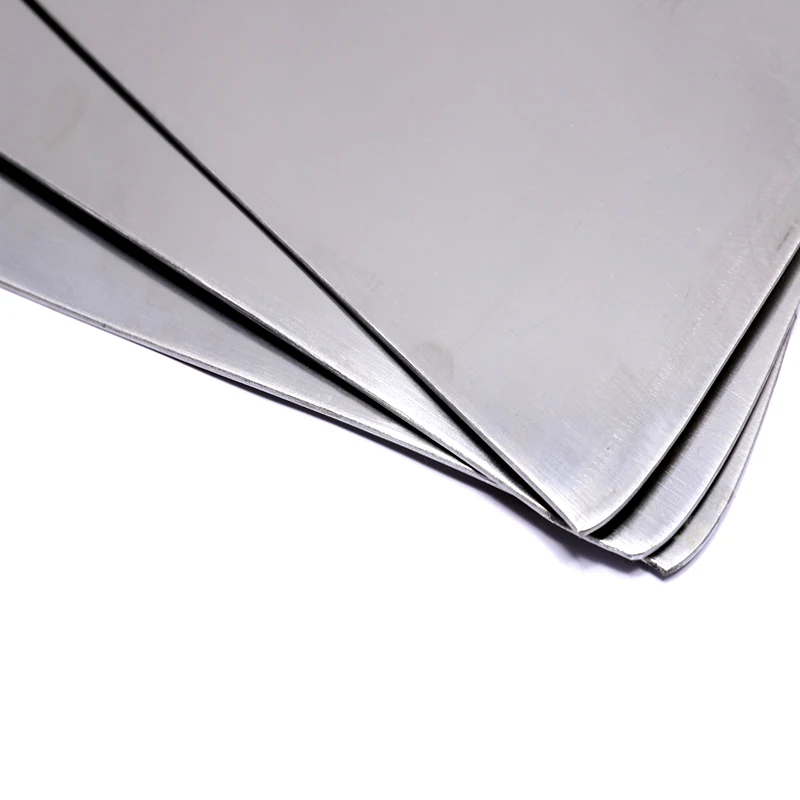
Alloys are critical in electronics used today. They are combinations of metals that blend together to form something new. These blends are what allow us to derive stronger and lighter materials. Firms such as TMC METAL produce alloys used in dozens of types of electronic devices we rely on daily, from phones and computers to tablets. With the help of alloys, manufacturers could make parts that were stronger and more efficient. For instance, an alloy could be deployed to produce the casing of a smartphone, allowing it to endure drops and knocks. Alloys help our gadgets work better and last longer, which makes them critical to modern electronics manufacturing.
Why Wood-ruff Corporation Uses Alloys in Electronics Manufacturing
Alloys are important for electronics manufacturing since they offer the best balance of two metals’ properties. For instance, aluminum is lightweight, but it can be too flimsy alone. Mixed with other metals to form an alloy, it grows stronger without adding a lot of weight. This matters for devices that must be portable, such as laptops and tablets. TMC METAL develops and produces special alloy for particular applications in electronics. Some alloys are designed to be conductive for electricity (a requirement if they are used in circuits). Other alloys will not corrode, giving devices protection against damage with use. Think of a smartphone that gets wet, or is subjected to being used in a humid environment; alloys can help shield the inner parts from rust. The correct alloy can also assist with heat management. Some electronics become hot with prolonged use. The better the thermal conductivity in an alloy, the more effectively it can spread out heat and thwart such destruction. This makes devices work better over a longer period of time. In other words, alloys are crucial to making electronics more efficient, resilient and reliable.
Typical Problems Associated with Alloys in Electronics Manufacturing
While alloys are wonderful, there is one issue that occurs when using them in electronics manufacturing. A frequent problem is that not all alloys act identically when they are formed into parts. And sometimes they can be more difficult to shape than pure metals. This can slow down production. TMC METAL is concentrating on making alloys that are easier to process, but there are still obstacles. Another issue is that some of the alloys can be costlier. This can mean the final product costs more and that is something manufacturers try to avoid. Some of the alloys also can corrode other materials, which creates issues for electronic devices. For instance, an alloy that corrodes can result in electronic parts failing and devices not working. Quality control is key in this process, and TMC METAL guarantees that each alloy is manufactured up to high standards. Finally, striking the right balance of strength, weight and cost can be challenging. Producers do not want to compromise on what’s best for the end product while hoping to be budget conscious. These problems illustrate that while alloys are critical, designs must be carefully planned and tested to ensure they work well in the electronics manufacturing process.
In What Ways Do Alloys Reduce The Cost Of Fabrication?
Alloys are unique blends of two or more metals. They are also critically important in making electronics, because they can be less expensive and superior to pure metals. When they make parts for phones and computers and electronics and anything, really, that contains metal the makers use alloys, not a single kind of metal. That's because alloys can offer better properties, such as strength and conductivity. Strength is that the material can simply take more stress without breaking, and conductivity is that electricity runs through it easily. With an alloy a company can make electronic parts that are both strong and work well without great expense.
If manufacturers are using alloys, they have also found other ways to save money. Alloys can also be formulated from materials that are less expensive, which reduces costs. For example, they could use cheaper metals instead of pricey ones like gold and silver or copper-based alloys that are still conducive to electricity. This switch could reduce the cost for producing electronics generally. And the alloys can have easier work-ability. They can also be molded and shaped into desired parts more readily than a few pure metals. This means that factories can make the parts quicker and with less waste creating more savings. In the end, using alloys allows companies such as TMC METAL to continue to keep costs low but product quality high for electronic devices.
Where To Get Electronic Alloys Suppliers?
For manufacturers who wish to make high-quality parts, it is important they find reputable suppliers for their electronic alloys. A reliable supplier would have a good reputation and materials that conform to industry standards. You can look for these suppliers in online. There are numerous websites that list companies offering this service. Customers can peruse reviews and ratings from other businesses to find out if a supplier is dependable. You should also work with clients who have been in the industry for a while. Good suppliers should know what their customers’ require and provide the same in terms of raw materials.
Trade Shows/Industry Events Another excellent source of finding trustworthy suppliers are trade shows and other industry events. The events give manufacturers a chance to meet with suppliers in person and view their products. In these events companies namely TMC METAL can display their high-temperature alloy and cause prospective customers to review the quality by themselves. Referrals from the network power businesses in electronics to get good recommendations also. When other companies come forward, it can help manufacturers select vendors they can rely on. Lastly, suppliers should also be communicated with clearly. Inquiring about their materials, delivery times and prices offers a way to see if they are the right manufacturer for the job.
What Are the New Trend Regarding Alloy in the Manufacturing of Electronics?
The electronics industry’s use of alloy is constantly evolving as new technologies and applications emerge. Lighter and stronger alloys are among the recent trends. Manufacturers are looking for materials not just strong but also light. This is crucial for portable devices such as laptops and smartphones. With next-generation alloys, companies can produce electronic devices that are lighter to carry but just as strong. TMC METAL is continuously developing new alloys that respond to these requirements, so as to enable electronic device manufacturers to maintain their competitive standing.
Another development is the introduction of green alloys. As we begin to wake up when it comes to environmental issues, people are demanding materials which won’t harm the planet. Firms are also eager for alloys that can be recycled, or made from recycling. Not only does this benefit the environment, but it can save you money as well. Manufacturers that produce with eco-friendly alloy material can appeal to consumers that are socially responsible. There is also an interest in advancing the conductivity of alloys. New methods are being developed to improve the way electricity flows through such materials. This would be an important development for the emerging field of electronics, as improved conductivity can enable faster and more efficient devices. Taken as a whole, the direction these alloys are taking electronics in is clear: to make them better, cheaper and greener.
Table of Contents
- Why Wood-ruff Corporation Uses Alloys in Electronics Manufacturing
- Typical Problems Associated with Alloys in Electronics Manufacturing
- In What Ways Do Alloys Reduce The Cost Of Fabrication?
- Where To Get Electronic Alloys Suppliers?
- What Are the New Trend Regarding Alloy in the Manufacturing of Electronics?