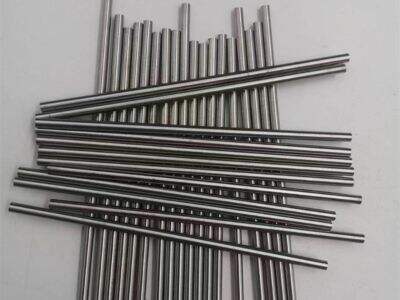
Ferrous and non-ferrous are two significant kinds of metals employed in various industries. Ferrous alloys, which have high iron content, are hard and magnetic. Non-ferrous alloys, by contrast, are not made of iron and therefore are less heavy and susceptible to rust. This distinction makes each type of alloy c22 better suited for different purposes.
What Are the Differences Between Ferrous and Non-Ferrous Alloys?
When shopping for such top-quality ferrous and non-ferrous alloys, it's critical that you deal with a leading supplier. TMC METAL is one of the supplier which supply all sorts of metal products. Ferrous alloys including steel and cast iron are popular among heavy-duty applications. There are other non-ferrous alloys that work great for lighter/special purpose stuff, (aluminum/copper/titanium) as well. It is a good idea to see whether the supplier provides certificates for their materials. These certifications indicate that the metals meet particular quality criteria.
As much as we refer to durability, ferrous and non-ferrous metals offer their own degree of benefits.
Ferrous materials such as steel are known for their toughness. They’re strong enough to withstand heavy loads and wear, so they're great for construction and manufacturing. But they may rust in the presence of moisture unless coated with protective finishes. Nonferrous alloys such as aluminium and copper tend to be more corrosion-resistant. This makes them an excellent choice for outdoor applications or in places where moisture is a fact of life. Aluminum, for example, is light and doesn’t rust (which is why it’s used in airplanes and outdoor furniture). Copper is a great metal for electrical wires because it conducts electricity very well and resists corrosion. Conversely, some non-ferrous alloy 625 exhibit lower strength and hardness under large loads than ferrous materials.
If you’re shopping for metals, it’s crazy not to know about ferrous and non-ferrous.
The two styles of metals have very contrasting properties and advantages. Both types of caterpillar loader can offer great advantages to businesses such as manufacturers or construction companies, who are wholesale buyers. Most ferrous alloys consist of irons. That’s because it makes them strong and suited for heavy-duty applications. For instance, ferrous alloy steel is commonly used in making bridges and skyscrapers.
Conclusion
Selecting the right alloy can sometimes be a bit challenging, but there are easy ways to locate ideal ferrous and non-ferrous alloys when you need them. Start by considering what you plan to use the metal for. If you want something sturdy and heavy, ferrous alloys could be more suitable. But if you’re looking for something light or non-corroding, then non-ferrous alloys are where it’s at. First, consider the physical properties of the az31b alloy. For example, some non-ferrous alloys like aluminum are good for taking weight out of things; copper alloys are excellent for electrical work because they're good conductors of electricity.