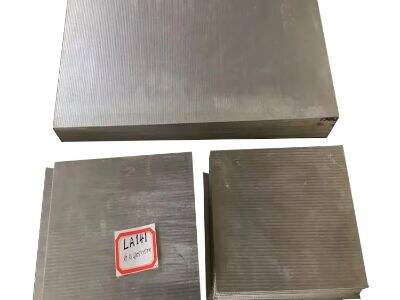
ပင်လယ်ရေတွင် ပစ္စည်းများအပေါ် သက်ရောက်မှုများသည် ပြင်းထန်ပါသည်။ ယူနီဗာဆစ်တီ အက်စ် ဘပ်ဖ်ဖ်လိုးရှိ အိုရီဂွန်း ပစ္စည်းပညာဌာန ပါမေချာဖြစ်ပြီး ကော်ရိုးရှင်းဓာတ်ခွဲခန်း၏ ဒါရိုက်တာဖြစ်သူ Ron Milewicz က ပင်လယ်ရေ၊ လှိုင်းများနှင့် အပူချိန်ကွဲပြားမှုများသည် သတ္တုများအပေါ် နောက်ဆုံးတွင် ပျက်စီးမှုများ ဖြစ်ပေါ်စေနိုင်ကြောင်း ရှင်းပြခဲ့သည်။ သင်္ဘောများ၊ ဆိပ်ကမ်းများ သို့မဟုတ် ရေအောက်ကိရိယာများကဲ့သို့သော အရာများတွင် အသုံးပြုရန် သော့ချက်များကို ရွေးချယ်ရာတွင် ပို၍အရေးပါလာပါသည်။ TMC METAL သည် ဤဆုံးဖြတ်ချက်၏ အရေးပါမှုကို နားလည်ပါသည်။ အကောင်းဆုံးသော သော့ချက်သည် အရာဝတ္ထုတစ်ခု ဘယ်လောက်ကြာကြာ ခံမည်ကို နှင့် ဘယ်လောက်ကောင်းစွာ အလုပ်လုပ်မည်ကို ကွဲပြားစေနိုင်ပါသည်။ ထို့ကြောင့် ဤဒြပ်စင်များကို ရွေးချယ်ရာတွင် ထည့်သွင်းစဉ်းစားသင့်သည့် အချက်များနှင့် ရှာဖွေသင့်သော အမျိုးအစားများကို ဤတွင်ဖော်ပြထားပါသည်။
ပင်လယ်အတွက် သုံးရန် သော့ချက်များ ရွေးချယ်ရာတွင် ထည့်သွင်းစဉ်းစားရမည့် အချက်များ
သင့်လျှောက်လွှာကို ရွေးချယ်ခြင်း aLLOY ပင်လယ်အသုံးပြုရန်အတွက် သတ္တုစပ်များကို ရွေးချယ်ခြင်းသည် ချီတင်သည့်သူအတွက် အကောင်းဆုံးကာကွယ်မှုပစ္စည်းကို ရွေးချယ်သည့်နှိုင်းယှဉ်မှုဖြစ်ပါသည်။ သင်သည် ခိုင်မာပြီး ရိုးရှင်းသောအရာကို လိုချင်ပါသည်။ ပထမဦးစွာ သတ္တုစပ်သည် ဆားငန်ရေနှင့် မည်မျှအတိုင်းအတာထိ ထိတွေ့မည်ကို ဆုံးဖြတ်ပါ။ ဆားသည် သံချေးတက်ခြင်းနှင့် ပျက်စီးခြင်းကို ဖြစ်စေနိုင်ပါသည်။ သာမန်သံမဏိများကဲ့သို့ မဟုတ်ဘဲ စတိန်းလက်သံမဏိနှင့် အလူမီနီယမ်ကဲ့သို့သော သတ္တုစပ်များသည် သံချေးတက်ခြင်းကို အလွန်နည်းပါးစွာသာ ဖြစ်ပေါ်စေပါသည်။ ဒုတိယအနေဖြင့် သတ္တုစပ်၏ အလေးချိန်ကို ထည့်သွင်းစဉ်းစားရန် လိုအပ်ပါသည်။ အယ်ဂျီများသည် အလွန်ထူထဲပါက လှေများ၏ ရေပေါ်မူတည်ခြင်း သို့မဟုတ် ခရီးသွားခြင်းကို ဟန့်တားနိုင်ပါသည်။ ပေါ့ပါးသောပစ္စည်းများသည် လှေများအား ပိုမိုမြန်ဆန်စွာ သွားရောက်နိုင်စေပြီး လောင်စာဆီကို လျော့နည်းစွာ အသုံးပြုနိုင်စေပါသည်။ သတ္တုစပ်ကို မည်သို့ casting သို့မဟုတ် ပုံသွင်းမည်ကိုလည်း စဉ်းစားရန် လိုအပ်ပါသည်။ သတ္တုစပ်အချို့သည် ပုံသဏ္ဍာန်များအဖြစ် လွယ်ကူစွာ မော်လ်ဒ်လုပ်နိုင်သော်လည်း အချို့မှာ မကောင်းသော အပြုအမူများ ရှိနိုင်ပါသည်။ အပူချိန်ကိုလည်း ထည့်သွင်းစဉ်းစားရန် လိုအပ်ပါသည်။ ပင်လယ်တွင် အလွန်အေး၍ သို့မဟုတ် ပူနိုင်ပြီး သင်လိုချင်သည့်အရာမှာ ကွဲအက်ခြင်း သို့မဟုတ် ကျိုးပဲ့ခြင်းမဖြစ်စေသော သတ္တုစပ်ဖြစ်ပါသည်။ နောက်ဆုံးတွင် ဘတ်ဂျက်သည် အရေးပါပါသည်။ သတ္တုစပ်အချို့သည် အခြားသူများထက် ပိုမိုစျေးကြီးပါသည်။ TMC METAL သည် အရည်အသွေးနှင့် စျေးနှုန်းအတွက် ရွေးချယ်စရာများကို ပေးစွမ်းပေးပြီး သင့်အား အကောင်းဆုံးအတွေ့အကြုံကို အနည်းငယ်သာ ကုန်ကျစေရန် ဖြစ်ပါသည်
စီးပွားဖြစ် ဝယ်ယူရန်အတွက် ပင်လယ်သုံး သတ္တုစပ်များကို ဤတွင် ရှာဖွေပါ
ရေကူးယာဉ်အတွက် ကောင်းမွန်သော သတ္တုစပ်များသည် ရှာဖွေရန် ခက်ခဲတတ်ပါသည်။ သင့်ငွေအတွက် အကောင်းဆုံးထုတ်ကုန်များထဲမှ တစ်ခုကို ရရှိမည်ဟု သေချာစေရန် လိုအပ်ပါသည်။ တစ်ခုကောင်းမွန်သော နေရာမှာ ဝန်ဆောင်မှုကုမ္ပဏီများကို အာရုံစိုက်ရန်ဖြစ်ပါသည်။ ဤကုမ္ပဏီများသည် ရေကူးယာဉ်ပစ္စည်းများကို အထူးပြုလုပ်ကာ ပင်လယ်တွင် အလုပ်ဖြစ်မဖြစ်ကို နားလည်ပါသည်။ ၎င်းတို့သည် ရွေးချယ်စရာများကို လမ်းညွှန်ပေးပြီး သင်လိုအပ်သည့်အရာကို ရှာဖွေရာတွင် ကူညီပေးနိုင်ပါသည်။ TMC METAL သည် ဤသို့သော သတ္တုစပ်များနှင့်ပတ်သက်၍ အလွန်ကောင်းမွန်သော အရင်းအမြစ်တစ်ခုဖြစ်ပါသည်။ ၎င်းတို့သည် အလွန်ကျယ်ပြန့်သော လုပ်ဆောင်ချက်များကို ရောင်းချပြီး အရည်အသွေးအတွက် ခိုင်မာသော ဂုဏ်သတင်းရှိပါသည်။ နောက်တစ်ခုမှာ ပြပွဲများသို့ သွားရောက်ခြင်းဖြစ်ပါသည်။ ထုတ်လုပ်သူများသည် ၎င်းတို့၏ ပစ္စည်းများကို ပြသသည့်နေရာဖြစ်ပါသည်။ ထုတ်လုပ်သူများနှင့် ရောင်းချသူများနှင့် တွေ့ဆုံရန် ကောင်းမွန်သော အခွင့်အလမ်းဖြစ်ပါသည်။ မေးခွန်းများ မေးမြန်းနိုင်ပြီး သတ္တုစပ်များကို နီးနီးကပ်ကပ် စစ်ဆေးကြည့်ရှုနိုင်ပါသည်။ အွန်လိုင်းဈေးကွက်များတွင်လည်း ရွေးချယ်စရာများရှိပါသည်။ သို့သော် အရည်အသွေးမြင့်မားကြောင်း သေချာစေရန် ပြန်လည်သုံးသပ်ချက်များနှင့် အဆင့်သတ်မှတ်ချက်များကို စစ်ဆေးရန် လိုအပ်ပါသည်။ သတိပြုရန်မှာ သင်သည် ရေကူးယာဉ်ပတ်ဝန်းကျင်၏ ခက်ခဲမှုများကို ခံနိုင်ရည်ရှိမည့် အရာကို ရှာဖွေနေခြင်းဖြစ်ပြီး အမြဲတမ်း သင့်ကိုယ်ပိုင် သုတေသနပြုရန် လိုအပ်ပါသည်။ TMC METAL ကဲ့သို့ ယုံကြည်စိတ်ချရသော ပစ္စည်းများကို အသုံးပြုခြင်းဖြင့် သင့်ရွေးချယ်မှုများကို ပံ့ပိုးပေးနိုင်ပြီး သင့်ရေကူးယာဉ်လိုအပ်ချက်များအတွက် မှန်ကန်သော သတ္တုစပ်များကို ဝယ်ယူနေကြောင်း သိရှိနိုင်မည်ဖြစ်ပါသည်။
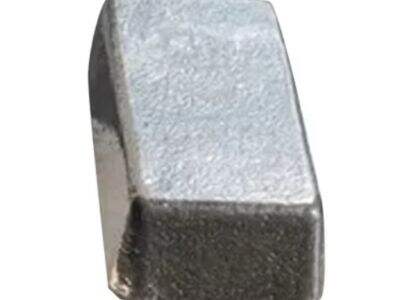
သိရမည့် အရာများ
သမုဒ္ဒရာဆိုင်ရာ အသုံးပြုမှုများအတွက် ပစ္စည်းများကို ရွေးချယ်ရာတွင် သော့ချက်ဓာတ်ပေါင်းများ နှင့် ၎င်းတို့၏ အရေးပါမှုကို သိရှိထားရန် အလွန်အရေးကြီးပါသည်။ သော့ချက်ဓာတ်ပေါင်းများသည် သီးခြားဂုဏ်သတ္တိများ ရှိစေရန် ဖန်တီးထားသော ထူးခြားသည့် သတ္တုရောစပ်မှုများ ဖြစ်ပါသည်။ ဥပမာအားဖြင့် သော့ချက်ဓာတ်ပေါင်းအချို့သည် ၎င်းတို့၏ သာမန်သတ္တုများထက် ပိုမိုခိုင်မာပြီး ပိုမိုပေါ့ပါးကာ ချေးမတက်အောင် ပိုမိုခံနိုင်ရည်ရှိပါသည်။ သမုဒ္ဒရာများနှင့် ပင်လယ်များတွင် ပစ္စည်းများသည် အခြေအနေများစွာကို ရင်ဆိုင်ရပါသည်။ ၎င်းတို့သည် ပင်လယ်ရေ၊ စိုထိုင်းဆနှင့် အပူချိန်ပြောင်းလဲမှုများကို ခံစားရပါသည်။ ဤအချက်များသည် သတ္တုများ ချေးတက်ခြင်း သို့မဟုတ် အားနည်းလာခြင်းကို ဖြစ်ပေါ်စေနိုင်ပါသည်။ ငယ်ရွယ်သော ဖတ်ရှုသူများအတွက် မိုးတွင် စက်ဘီးကို အပြင်ဘက်တွင် ထားခဲ့ပါက မူလအတိုင်းပင် ဖြစ်ပါသည်။ မှန်ကန်သော ပစ္စည်းများဖြင့် တည်ဆောက်ထားခြင်း မရှိပါက ၎င်းသည် ချေးတက်ပြီး ပျက်စီးသွားမည် ဖြစ်ပါသည်။ ဤကဲ့သို့ဖြစ်သောကြောင့် TMC METAL ကဲ့သို့သော ကုမ္ပဏီများသည် သမုဒ္ဒရာဆိုင်ရာ အသုံးပြုမှုများအတွက် အကောင်းဆုံးသော့ချက်ဓာတ်ပေါင်းကို ရှာဖွေရန် အလွန်အာရုံစိုက်ကြပါသည်။ ၎င်းတို့၏ လှေများ၊ သင်္ဘောများနှင့် အခြားပစ္စည်းကိရိယာများသည် ပျက်စီးခြင်းမရှိဘဲ ကြာရှည်စွာ ခံနိုင်ရည်ရှိစေရန် လိုလားပါသည်။ ရွေးချယ်ရာတွင် aLLOY ပင်လယ်အသုံးပြုမှုအတွက် ပစ္စည်းများသည် ဆားငန်ရေနှင့် အခြားသော ပတ်ဝန်းကျင်ဒြပ်စင်များကို ဘယ်လောက်ကြာကြာ ခံနိုင်ရည်ရှိရမည်ကို ထည့်သွင်းစဉ်းစားရန် အရေးကြီးပါသည်။ ထို့အပြင် ၎င်းတို့၏ ခံနိုင်ရည်ရှိမှုအဆင့်ကိုလည်း စဉ်းစားရပါမည်။ TMC METAL သည် အကောင်းဆုံးသင့်လျော်သော ပစ္စည်းများကို ရွေးချယ်နိုင်ရန် သုတေသနပေါ်တွင် အာရုံစိုက်ရင်း အားထုတ်မှုများစွာ ပြုလုပ်ထားပြီး ပင်လယ်ပြင်၏ ခက်ခဲသော အခြေအနေများကို ကျော်လွှားနိုင်သည့် ထုတ်ကုန်များကို ဖွံ့ဖြိုးတိုးတက်အောင် ပြုလုပ်နိုင်ခဲ့ပါသည်။ ဤအချက်များမှာ အခြေခံအုတ်မြစ်များဖြစ်ပြီး ပင်လယ်အသုံးပြုမှုအတွက် သော့ချက်များကို ရွေးချယ်ရာတွင် သင့်အတွက် ပထမဆုံး အဆင့်ဖြစ်ပါသည်။
ပင်လယ်ပတ်ဝန်းကျင်များတွင် ဘာကြောင့် သော့ချက်များကို အသုံးပြုကြသနည်း
ပင်လယ်ရေပေါ်တွင် ကောင်းမွန်စွာ အသုံးပြုနိုင်သည့် ဂုဏ်သတ္တိများရှိသော သတ္တုတွဲများတွင် ဆားငန်ရေနှင့် အခြားသော ပြင်းထန်သည့် ဒြပ်ပေါင်းများကြောင့် ပျက်စီးမှုကို ကာကွယ်ပေးနိုင်မည့် အထူးသော ဂုဏ်သတ္တိများ ပါဝင်ပါသည်။ ထိုသို့သော အရေးကြီးသည့် ဂုဏ်သတ္တိများထဲမှ တစ်ခုမှာ ချေးမတက်သည့် ဂုဏ်သတ္တိ (corrosion-resistance) ဖြစ်ပါသည်။ ၎င်းသည် ဆားငန်ရေနှင့် ထိတွေ့ပါက ချေးတက်ခြင်း၊ ပျက်စီးခြင်းတို့ကို ခံနိုင်ရည်ရှိကြောင်း ဆိုလိုပါသည်။ ဥပမာအားဖြင့် Stainless steel သည် ချေးမတက်စေရန် ကာကွယ်ပေးသည့် အလွှာတစ်ခု ပါရှိသောကြောင့် ရွေးချယ်မှုအတွက် အလွန်ကောင်းမွန်သော ရွေးချယ်မှုတစ်ခု ဖြစ်ပါသည်။ ထည့်သွင်းစဉ်းစားသင့်သော နောက်ထပ်အချက်တစ်ခုမှာ ခိုင်မာမှု ဖြစ်ပါသည်။ သမုဒ္ဒရာပေါ်တွင် ပစ္စည်းများသည် ဝန်အလေးများ၊ လှိုင်းများနှင့် အားကောင်းသော လေများကို ခံနိုင်ရည်ရှိရန် လိုအပ်ပါသည်။ TMC METAL သည် ထိုသို့သော ပြင်းထန်သည့် ပတ်ဝန်းကျင်ကို ခံနိုင်ရည်ရှိသည့် သတ္တုတွဲများကို ရှာဖွေနေပါသည်။ ပေါ့ပါးမှုသည်လည်း အရေးကြီးပါသည်။ သို့သော် ပစ္စည်းတစ်ခုသည် အလွန်လေးပါက သင်္ဘောများအား ပိုမိုမကျွမ်းကျင်စေခြင်းနှင့် ရွေ့လျားရန် ပိုမိုခက်ခဲစေနိုင်ပါသည်။ ထို့ကြောင့် TMC METAL သည် ခိုင်မာပြီး ပေါ့ပါးသော သတ္တုတွဲများကို ရွေးချယ်ပါသည်။ ထပ်မံ၍ ပျော့ပြောင်းမှုသည် အလွန်အရေးကြီးပါသည်။ ပင်လယ်ပေါ်တွင် ပစ္စည်းများသည် အနည်းငယ် ကွေးနိုင်ရမည်ဖြစ်ပြီး ကျိုးပဲ့မသွားစေရပါ။ ၎င်းသည် ရေ၏ အားများကို ခံနိုင်ရည်ရှိစေရန် ကူညီပေးပါသည်။
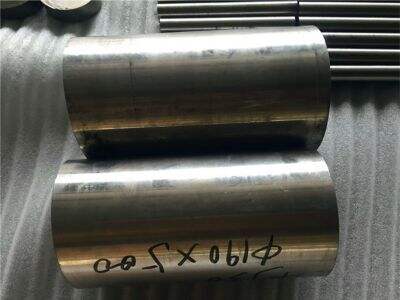
ကမ်းရိုးဒေသအသုံးချမှုများတွင် ပစ္စည်းအလိုအပ်ချက်များ၏ စွမ်းဆောင်ရည် - ၎င်းကို မည်သို့အကဲဖြတ်မည်နည်း
ကမ်းရိုးဒေသအသုံးချမှုများတွင် စွမ်းဆောင်ရည်ကို ဆုံးဖြတ်ရန်အတွက် သင်သည် စမ်းသပ်မှုတစ်ခုကို ပြုလုပ်ရန် လိုအပ်ပါသည် aLLOY တည်နေရာ။ ဒါက ကမ်းရိုးတန်းနှင့် နီးသော နေရာများသည် အခြားနေရာများနှင့် အတော်လေး ကွဲပြားနိုင်သောကြောင့် အရေးပါပါသည်။ ဥပမာအားဖြင့် သမုဒ္ဒရာနှင့် နီးသော ဧရိယာများတွင် လေထုတွင် ဆားဓာတ်များ ပိုမိုပါဝင်နိုင်ပြီး ဒါသည် အလိုဟ် (alloys) တုံ့ပြန်ပုံကို သက်ရောက်မှုရှိစေနိုင်ပါသည်။ ထုတ်ကုန်စမ်းသပ်ခြင်း - TMC METAL 1) စွမ်းဆောင်ရည် စမ်းသပ်ခြင်း - ဆော့ဖ်ဝဲထုတ်ကုန်၏ ယုံကြည်စိတ်ချရမှု၊ စွမ်းဆောင်ရည်နှင့် တည်ငြိမ်မှုကို အတည်ပြုရန်အတွက် ကျွန်ုပ်တို့သည် စနစ်ပတ်ဝန်းကျင်တွင် လွတ်လပ်သော ဆော့ဖ်ဝဲကိစ္စများကို အမျိုးမျိုး တပ်ဆင်၍ စမ်းသပ်မှုများ ပြုလုပ်ပါသည် ("စွမ်းဆောင်ရည် အတည်ပြုချက် ပါဝင်မှုစာရင်း" ကို ကြည့်ပါ)။ စမ်းသပ်မှုတစ်ခုမှာ အလိုဟ်ကို ရေချိုထဲတွင် အချိန်တစ်ခုအထိ မျောနေစေခြင်းဖြစ်ပြီး မည်သည့် ချေးခြင်း (corrosion) ရှိမရှိ စစ်ဆေးခြင်းဖြစ်ပါသည်။ ချေးခြင်း (corrosion) သို့မဟုတ် အရည်အသွေးကျဆင်းခြင်းကို ရှာဖွေပါသည်။ နောက်တစ်နည်းမှာ အလိုဟ်ပေါ်တွင် အား (force) သို့မဟုတ် အလေးချိန်ကို အသုံးပြု၍ ဘယ်လောက်အထိ ခံနိုင်ရည်ရှိမည်ကို တိုင်းတာခြင်းဖြင့် ၎င်း၏ ပျော့ပျောင်းမှု (malleability) ကို ဆုံးဖြတ်ခြင်းဖြစ်ပါသည်။ အလိုဟ်သည် သမုဒ္ဒရာပတ်ဝန်းကျင်တွင် လုံလောက်သော ခိုင်ခံ့မှုရှိမရှိ ပြသသည့် စမ်းသပ်မှုများလည်း ပါဝင်ပါသည်။ အလိုဟ်သည် ဝန်ဆောင်မှုအတွင်းကာလအတွင်း မည်သို့အပြုအမူပြသသည်ကို မြင်ရခြင်းသည် အသုံးဝင်ပါသည်။ အမှန်တကယ်အသုံးပြုထားသော ပစ္စည်းများကို စစ်ဆေးခြင်းဖြင့် TMC METAL သည် ထိုကဲ့သို့သော ပစ္စည်းများ၏ ရေရှည်အပြုအမူအတွက် အရေးကြီးသော အချက်အလက်များကို ရရှိပါသည်။ အနာဂတ်တွင် ပိုကောင်းသော ရွေးချယ်မှုများ ပြုလုပ်ရန် ဦးတည်စေနိုင်ပါသည်။ နောက်ဆုံးတွင် စားသုံးသူမှ ပြန်လည်အကြံပြုချက်များ အရေးပါပါသည်။ အသုံးပြုသူများသည် အလိုဟ်များ၏ စွမ်းဆောင်ရည်အကြောင်း ပြန်လည်အကြံပြုပြီး အစီရင်ခံနိုင်ပြီး ပစ္စည်းများ၏ ထိရောက်မှုကို အကဲဖြတ်ရာတွင် ကုမ္ပဏီကို ကူညီပေးပါသည်။ စမ်းသပ်မှုများ၊ အမှန်တကယ်ဘဝမှ အချက်အလက်များနှင့် စားသုံးသူမှ ပြန်လည်အကြံပြုချက်များမှတစ်ဆင့် TMC METAL သည် အလိုဟ်များ၏ စွမ်းဆောင်ရည်ကို တိကျစွာ အကဲဖြတ်နိုင်ပြီး သမုဒ္ဒရာအသုံးပြုမှုအတွက် ယုံကြည်စိတ်ချရသော ထုတ်ကုန်များကို ဆက်လက်ထုတ်လုပ်နိုင်ပါသည်။
အကြောင်းအရာများ
- ပင်လယ်အတွက် သုံးရန် သော့ချက်များ ရွေးချယ်ရာတွင် ထည့်သွင်းစဉ်းစားရမည့် အချက်များ
- စီးပွားဖြစ် ဝယ်ယူရန်အတွက် ပင်လယ်သုံး သတ္တုစပ်များကို ဤတွင် ရှာဖွေပါ
- သိရမည့် အရာများ
- ပင်လယ်ပတ်ဝန်းကျင်များတွင် ဘာကြောင့် သော့ချက်များကို အသုံးပြုကြသနည်း
- ကမ်းရိုးဒေသအသုံးချမှုများတွင် ပစ္စည်းအလိုအပ်ချက်များ၏ စွမ်းဆောင်ရည် - ၎င်းကို မည်သို့အကဲဖြတ်မည်နည်း