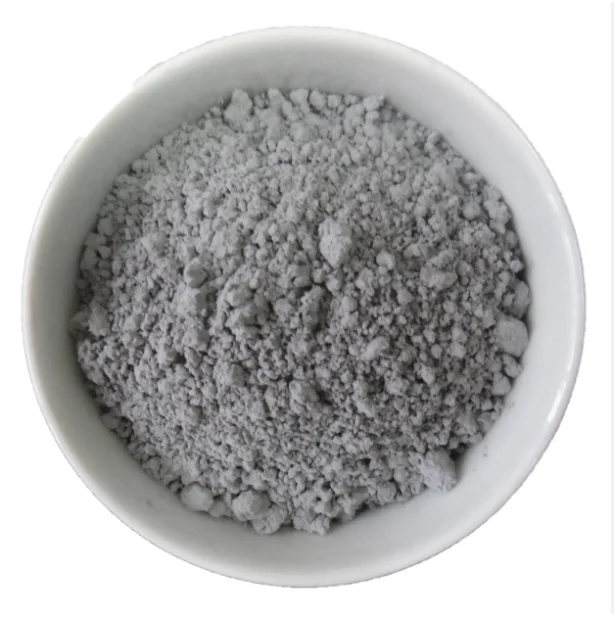
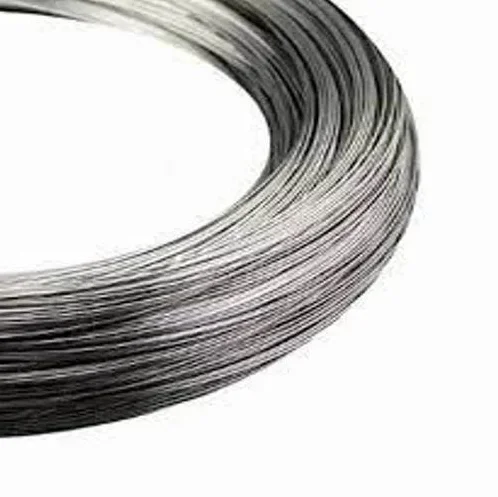
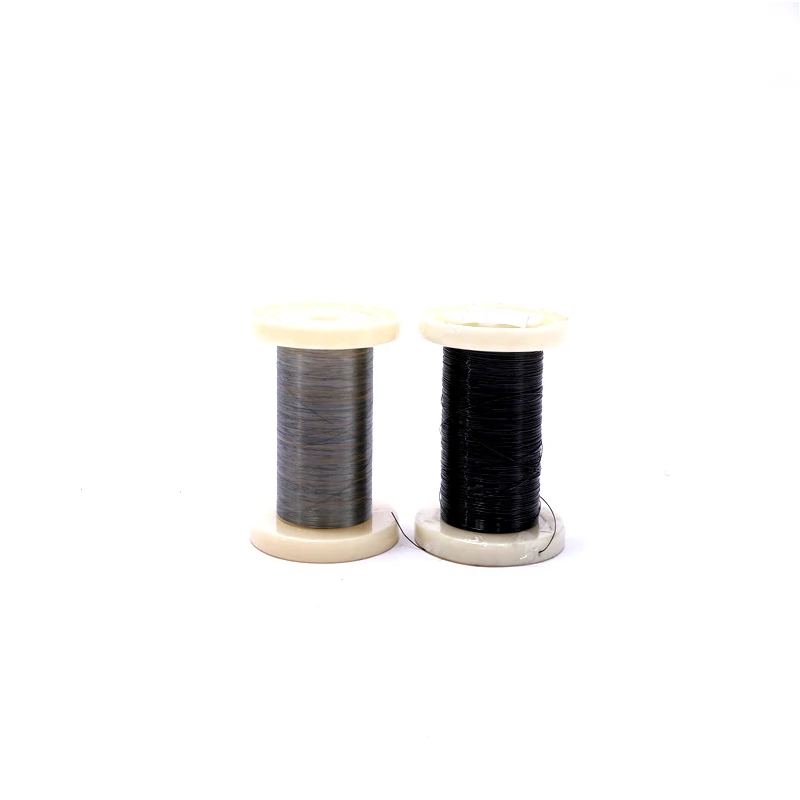
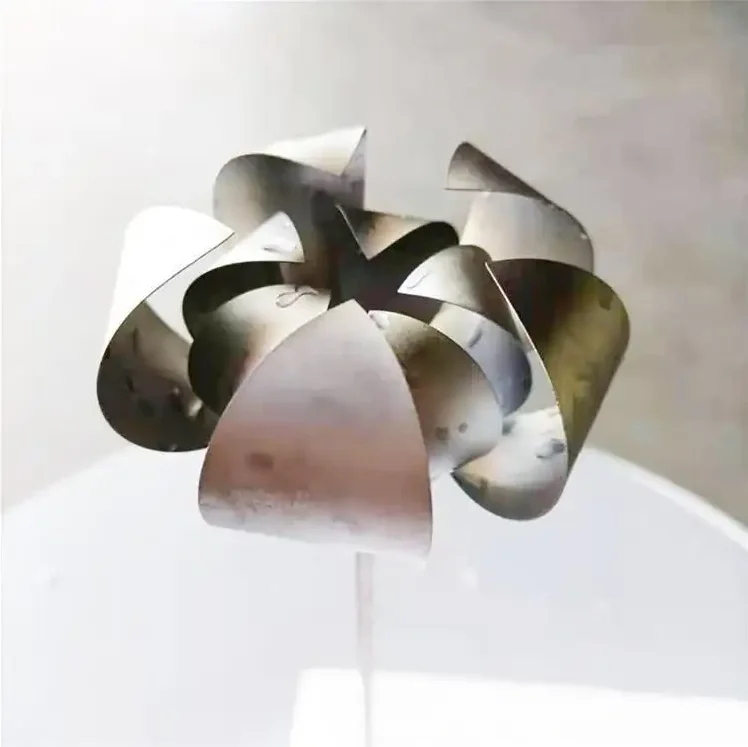
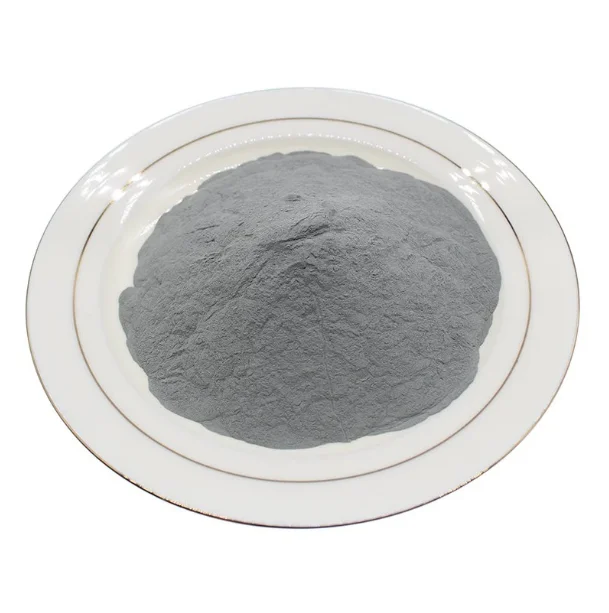
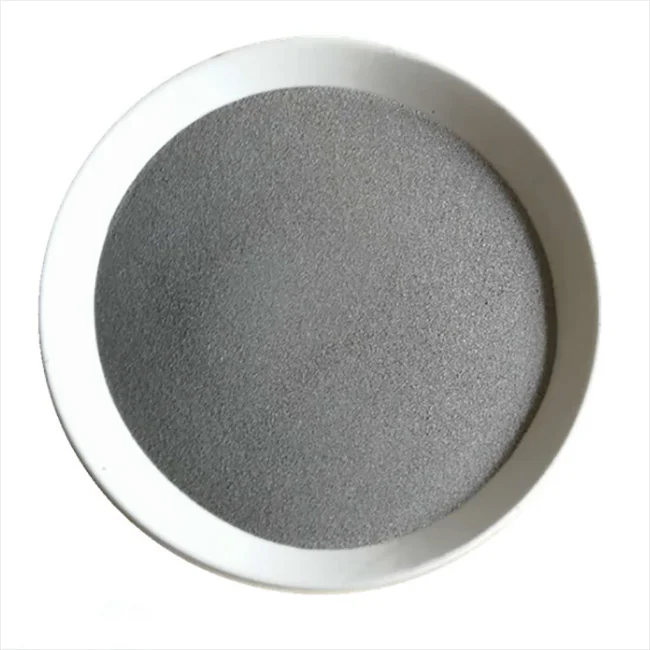
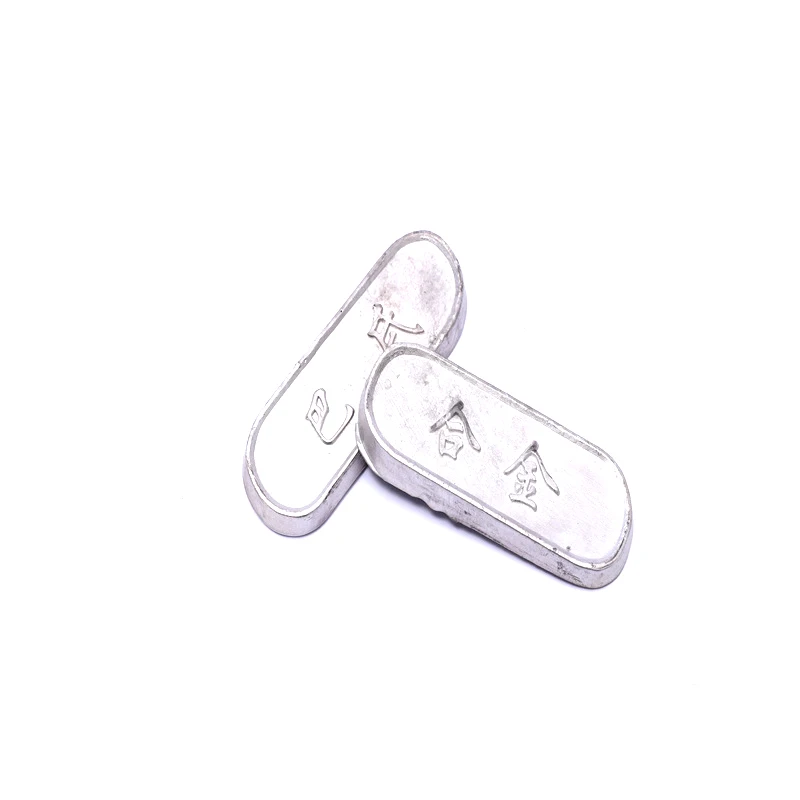
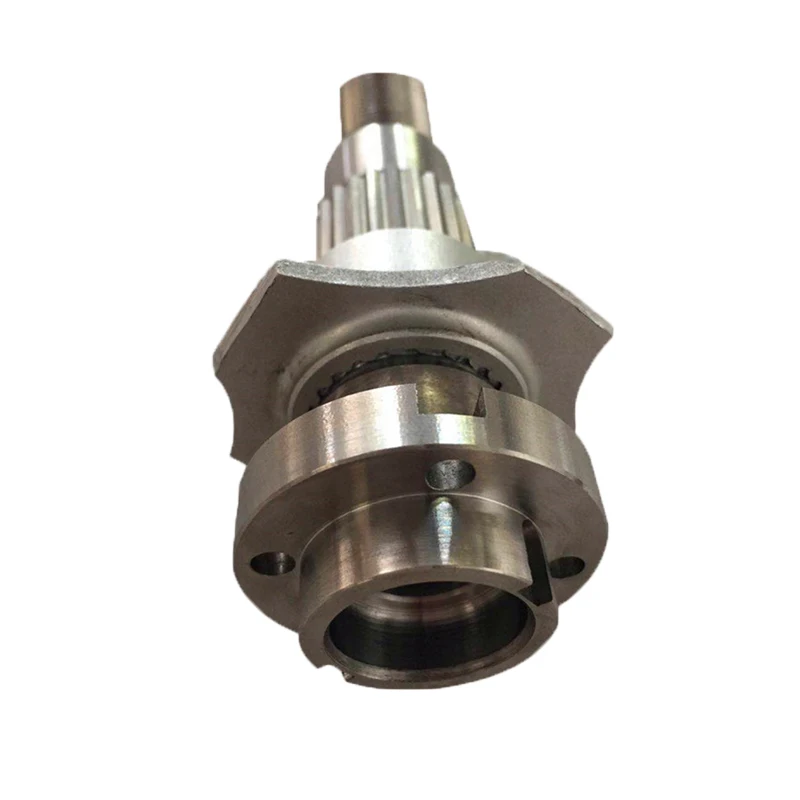
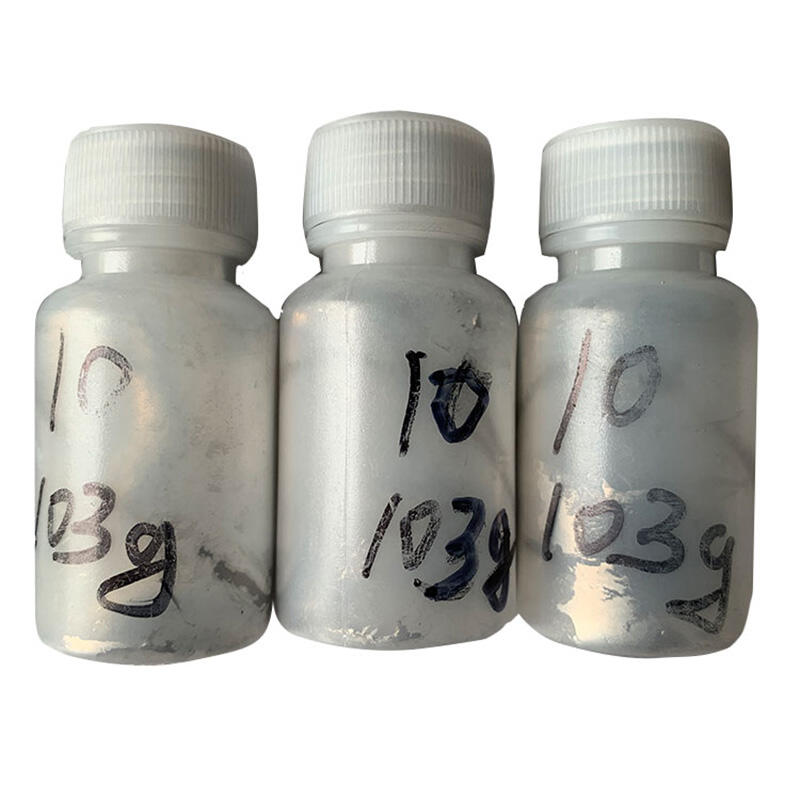
Tin ingots are shiny metal blocks that serve many vital purposes in our day to day lives. Tin ingots have long been precious as a material for producing everything from pots and pans to electronics and automobiles. Let’s take a look at how tin ingots are produced, what they for, and how they impact our environment.
Today, TMC METAL tin continues to be of great importance. It is frequently located in spots such as mines underground, where it is dug out by workers to be sent to factories. These are facilities, not restaurants, and they use special machines to transform raw ore into a shiny tin ingot, which can have a variety of uses.
To produce TMC METAL tin ingots, raw ore — a type of rock that contains tin — is first mined, then heated in a furnace until the metal oxygen content is reduced. Miners dig up the ore using big machines and then bring it to the surface. The ore is then crushed and is heated in a furnace to remove tin indium from other materials.
After the tin has been prepared, it is melted and poured into molds, which give the tin its shape, and form blocks of tin ingots. The ingots can then be formed and used to produce a long list of products, ranging from electronics and batteries to food packaging and construction materials.
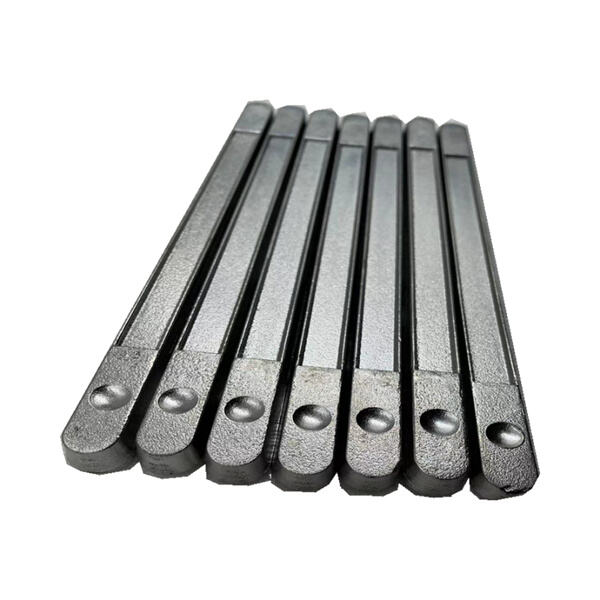
Tin bars are a great resource, and can be found in many things we use on a daily basis. They are often used to cover other metals, such as steel, to prevent rust. This makes them useful in constructing cars, ships and bridges.
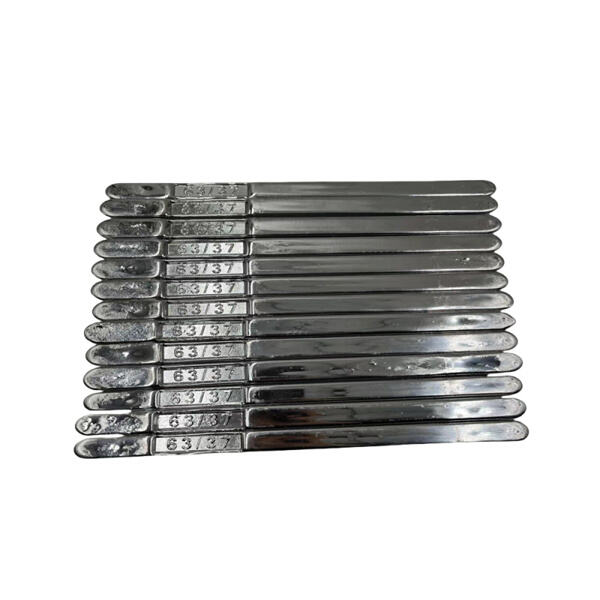
The need for TMC METAL tin ingots can fluctuate based on factors like new technology being manufactured or ends being constructed. When the demand for more tin bismuth alloy increases, a higher price is paid for it, because there is some limit to the supply.
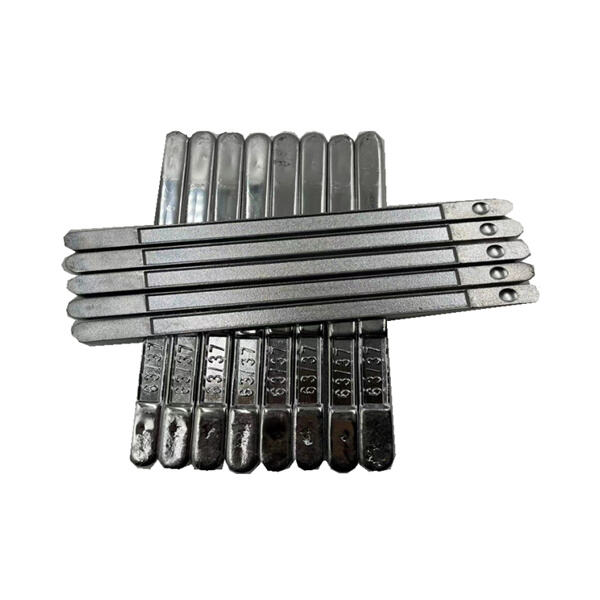
Tin ore can have an environmental impact when making tin ingots. Extracting tin and bismuth alloy also can damage the land and water used to produce it, and the processing can lead to toxic pollutants being released into the air. That is why it is critical for companies to figure out how to mitigate these effects.
company has over 26 years' experience rare and non-ferrous metal processing as well as production. have cultivated an extensive number of technicians and R D professionals who have professional expertise contribute to the Tin ingot of the industry. also provide environment to foster development our employees. have team professionals offer you after-sales service as well as support for customer issues, provide technical assistance and help solve quality problems. Analyze and collect feedback from customers take appropriate measures improve the quality of products and service quality.
company uses top-quality Tin ingot equipment processing equipment and able to perform high-end custom metal processing, high-end processing, and complex processing. can produce and process metal parts according customer specifications and design drawings. also provide OEM and ODM. Our research development center covers more than 500 square meters and is equipped with expert R D staff as well as equipment and facilities that can work together in the development of products and testing.
Suzhou Tamuchuan a supplier metal processing products located in Suzhou which a production area office space of 22,000 square meters. mainly produce various rare metals as well as a range non-ferrous metals. more than 2,000 partners collaborated world's leading 500 companies. specialized R D team also Tin ingot. Stable suppliers can a fantastic source support for large-scale productions as well as top-of-the-line production equipment instruments. professional quality control team ensures that the product is top quality. enjoy a positive collaboration with partners.
company set up and implemented rigorous quality control system ensure that products meet predetermined standards specifications. choose high-quality suppliers for the purpose of ensuring traceability raw materials, as well as Tin ingot controllability throughout supply chain. ISO9001 and SGS certificates are in compliance with industry and international standards. In accordance with specifications of the non-ferrous and rare metal industries, formulate quality management programs and carry out quality tests as well inspections. We also record and monitor our production processes.

Welcome to TMC,a well-known metal material processing supplier in Asia. We offer a variety of rare metal materials,including nickel,tungsten, magnesium,CoCrMo,nitinol,tantalum, niobium,zirconium,hafnium,etc.
NO.38, Shishan Road, Gold River Plaza, New District, Suzhou City, China.
Copyright © Suzhou Tamuchuan Rare Metal Products Co.,Ltd. All Rights Reserved. - Privacy Policy